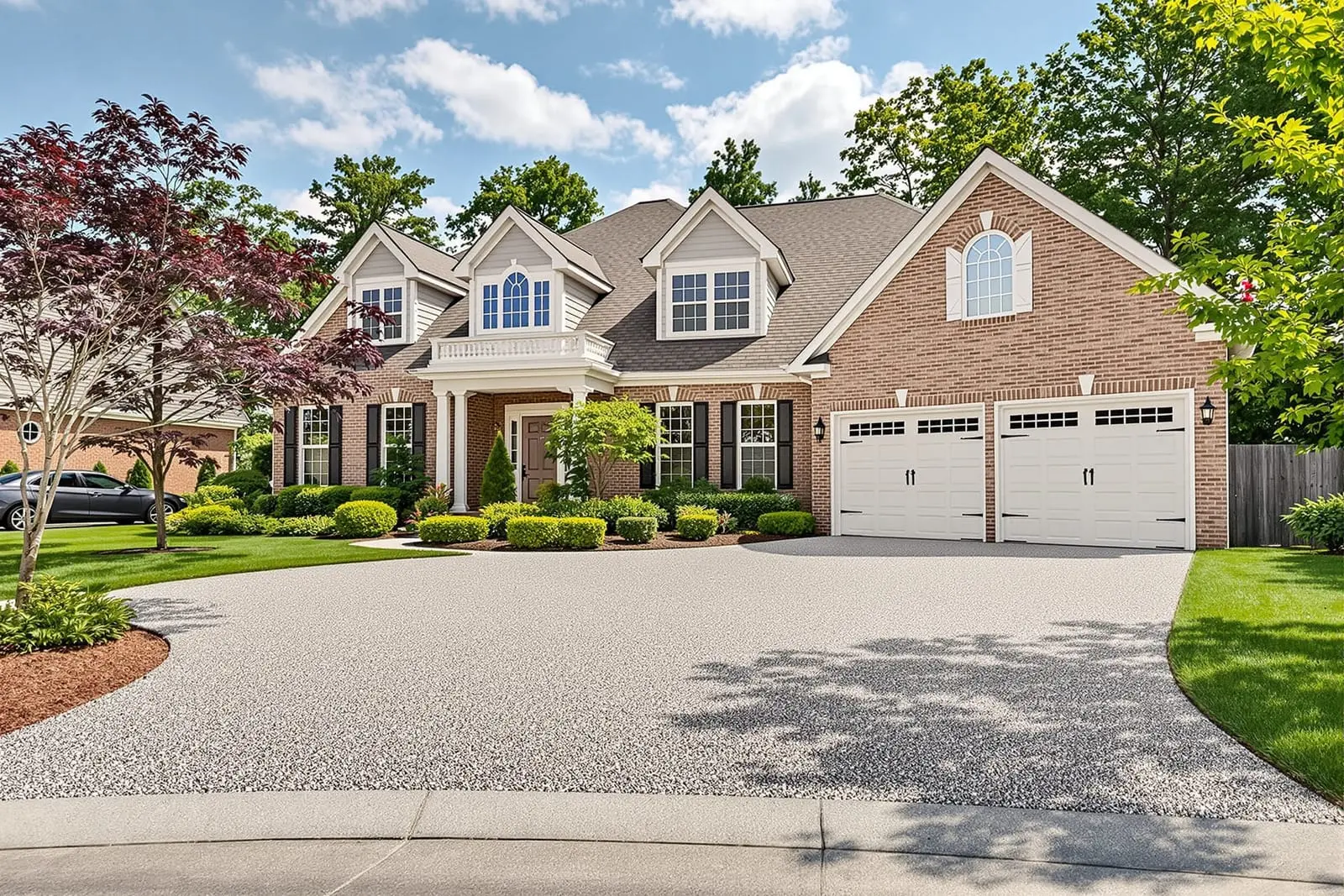
Tired of dust, mud, and ruts from a gravel driveway. Our gravel to asphalt conversion service in Houston, TX upgrades your drive to a clean, smooth asphalt surface. We regrade the base, address drainage, and install a durable asphalt layer that is easy to maintain. Enjoy cleaner cars, fewer potholes, and a more attractive entrance to your home.
Prestige Asphalt Houston provides professional gravel to asphalt conversion throughout Houston, TX and the surrounding area. Our licensed, insured crew delivers safe, clean, on-time work with a free estimate before anything begins. Call (346) 699-7789 or request your free quote.
Turn Your Dusty Gravel Drive Into a Solid Asphalt Surface
If you are tired of ruts, mud, and dust every time you pull into your driveway, a gravel to asphalt conversion can make a big difference in how your property looks and functions. Prestige Asphalt Houston focuses on taking existing gravel driveways, parking areas, and private roads in the Houston area and turning them into smooth, durable asphalt surfaces built for our heat and heavy rains.
Converting gravel to asphalt is not just “paving over” what is already there. Done correctly, the process starts with evaluating your existing base, how water drains off the area, and what kind of use the surface will see. A light residential driveway that holds a couple of cars needs a different asphalt design than a small commercial lot that gets delivery trucks.
Around Houston, clay soils and sudden downpours can destroy a poorly built driveway or parking lot in a year or two. Our crew looks at how your gravel behaves today. If you see standing water after storms, potholes that come back after every rain, or gravel washing into the street, those are signs we will need to rework the base and drainage before any asphalt goes down. Taking time to fix those issues up front is what keeps the new surface from cracking and sinking later.
Prestige Asphalt Houston also helps you think beyond the surface itself. For example, if garbage trucks or heavy work trucks regularly use your driveway, we can recommend a thicker asphalt layer or a stronger base in their wheel paths. If your driveway is mostly for cars and light SUVs, we show you options that balance cost and long term performance.
How Gravel to Asphalt Conversion Works Step by Step
Our typical gravel to asphalt conversion in Houston follows a clear sequence so you know what to expect from start to finish.
1. Site visit and measurements. We walk the area with you, take measurements, check slopes with a level, and look for soft spots, erosion, and drainage routes. We mark utilities and any sprinkler heads near the work area so they are not damaged.
2. Shaping and grading the existing gravel. We use a skid steer or motor grader to reshape your existing gravel, pull high spots down, fill low spots, and set the correct slope so water runs to the sides or to planned drainage points, never toward your home or garage.
3. Base repair or rebuilding. If the current gravel base is deep, stable, and drains well, we may only need minor corrections. In many Houston properties, the existing gravel is too thin or mixed with soft clay. In those cases we remove weak material, bring in new crushed limestone or similar base rock, compact it in layers with a vibratory roller, and proof roll it to check for soft areas.
4. Edge definition. For driveways and small lots we often recommend some type of edge support. This might be a compacted shoulder of base rock, small concrete ribbon, or simply a defined edge cut into the soil. Solid edges help prevent the asphalt from unraveling when tires get close to the sides.
5. Laying the asphalt. Once the base passes inspection and compaction tests, we schedule paving for dry weather. Hot mix asphalt from a local Houston plant arrives by truck and is spread with a paver. The crew rakes and sets transitions at the street, garage, sidewalks, and walkways so there are no tripping lips.
6. Compaction and finishing. A steel drum roller and sometimes a pneumatic tire roller compact the new asphalt. We make multiple passes until the surface is tight, smooth, and at the right thickness. For driveways, we often add a slight crown or cross slope so rainwater sheds quickly.
7. Clean up and access. We broom off edges, haul away excess material, and leave the site neat. In most residential jobs, you can walk on the new asphalt the same day. We usually recommend waiting 24 to 48 hours before parking vehicles, and a few extra days in the peak of summer heat for very heavy trucks.
Design Choices, Thickness Options, and What Affects Cost
Every gravel to asphalt conversion is customized to the property and how it will be used. Prestige Asphalt Houston explains the specific options that apply to your project before any work begins.
For asphalt thickness, most residential gravel driveways in the Houston area end up with 2 to 3 inches of compacted asphalt over a properly built base. If you have frequent heavy loads, a long shared driveway, or a small commercial lot, we might recommend 3 to 4 inches or using a two layer system with a stronger base course below and a finer surface course on top.
Base depth is another major factor. Some older gravel drives already have 4 to 6 inches of compacted rock, which can reduce costs because we can reuse much of what is there. Others only have a thin layer scattered over clay. In that case we factor in the cost of hauling in additional base material and the extra machine time needed to grade and compact it.
Access and layout influence pricing as well. A straight, open driveway where trucks can back right up to the work area costs less per square foot than a narrow drive behind a fence with tight turning space. Curves, turnouts, parking pads, and tie ins to existing concrete or city streets also affect labor time.
Surface details matter too. If you want striping for parking, marked guest spaces, or clear borders for shared driveways, we can add layout and striping after the asphalt cures. If you prefer a darker, more refined finish, we can schedule a sealcoat a few months after the asphalt is installed, once it has had time to cure.
Houston’s heat and sun will age asphalt faster than in cooler regions. To plan around that, we help you decide whether to budget for future sealcoating every few years, and we can design a mix and thickness that handles the thermal movement and traffic you actually have, not a generic one size fits all section.
Timing, Weather, and Common Houston Problems We Solve
Our local climate shapes how we schedule and build gravel to asphalt conversions. Asphalt needs a dry base and a reasonably dry forecast. Light drizzle is sometimes workable, but we avoid paving when heavy showers or a strong cold front are moving through the Houston area.
Spring and fall usually offer the best mix of temperature and weather stability, but we pave year round when conditions allow. In the peak of summer, we work earlier in the day where possible to avoid extreme surface temperatures. Very high heat makes asphalt more workable, but it also sets faster, so we adjust crew size and truck timing to keep a smooth mat.
Common problems we see in local gravel driveways include soft spots that pump under the tires, areas where gravel disappears into clay, and low sections that turn into ponds after a storm. Before paving, we cut out those weak areas, replace them with compacted base rock, and use a plate compactor or roller to lock them in. That detail work is what prevents new wheel ruts from appearing in the exact same places.
Drainage is always part of the conversation. On flat lots or low lying areas, we may need to add shallow swales, adjust slopes slightly, or tie your new asphalt into existing ditches or culverts. If you do not deal with drainage before paving, you can end up with water standing on the asphalt, which shortens its lifespan and creates slick spots when algae grows.
Urban and suburban neighborhoods in Houston often have city requirements at the street connection. Prestige Asphalt Houston is familiar with typical tie in expectations, such as maintaining proper height at the curb, not blocking gutters, and keeping slopes reasonable for cars. When needed, we can coordinate with you on permits or HOA approvals, including providing drawings or written scope descriptions.
What To Know Before Hiring for a Gravel to Asphalt Conversion
Before you choose a contractor to convert your gravel to asphalt, there are a few key points to review so you get a surface that lasts.
Ask exactly how they will handle the base. A trustworthy contractor should explain whether your existing gravel is being reused, added to, or replaced, and how many inches of compacted base and asphalt are planned. If the quote only says “pave over existing gravel” without details, you are taking a risk.
Request clarification on drainage and slopes. On your proposal from Prestige Asphalt Houston you will see notes on how water will drain, where any new slopes or swales will be, and how we will tie into your garage, sidewalk, or street. A proper plan helps prevent water from running into your garage or pooling in front of your home.
Confirm access timing and curing recommendations. Ask when you can drive on the new asphalt, whether heavy vehicles need to be kept off for a longer period, and if there are seasonal considerations. In Houston summers, for example, we usually suggest avoiding tight turning of heavy vehicles on fresh asphalt for several days to reduce the chance of scuffing.
Ask about future care. Well built asphalt does not need constant attention, but simple maintenance will extend its life. You should know how to handle small oil drips, when to consider sealcoating, and what to watch for in the first year. We walk you through these points before the job is closed out.
Finally, look for a clear, itemized written estimate that fits your specific property. Prestige Asphalt Houston provides line items showing base work, asphalt thickness, any drainage or edge work, and optional add ons like striping or later sealcoating. That transparency helps you compare bids fairly and understand exactly what you are paying for, so your gravel to asphalt conversion delivers the solid, clean look you expect.
“
Professional gravel-to-asphalt conversions, done right the first time, quality materials, honest pricing, and results that last.
Prestige Asphalt Houston
Gravel-to-Asphalt Conversions Across Our Service Area