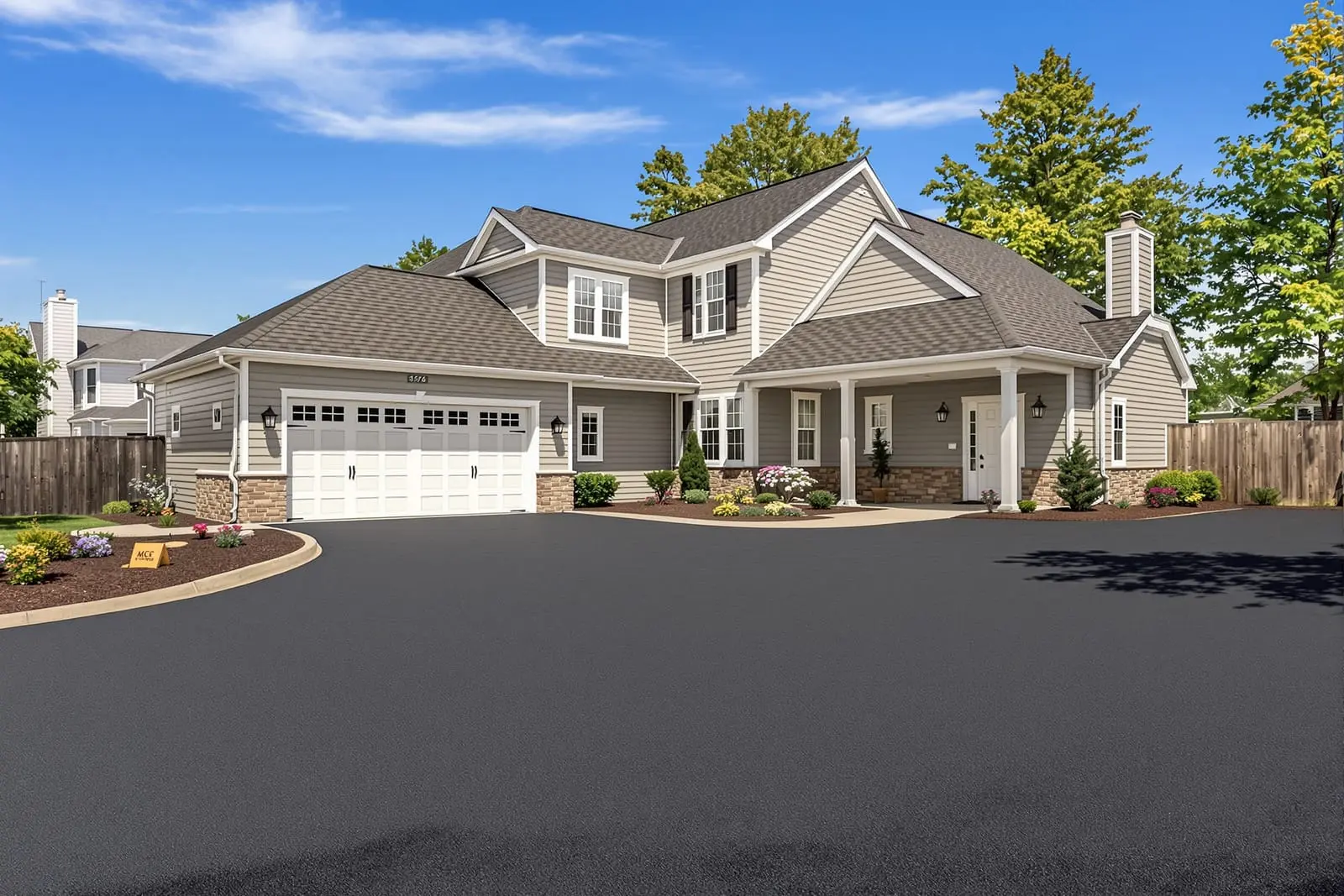
Turn rough gravel lots into clean, professional asphalt with commercial gravel to asphalt conversions in Houston, TX. We reshape and compact the existing stone, address drainage, and install new asphalt surfacing. This upgrade reduces dust, mud, and maintenance while improving your property appearance. Ideal for retail, industrial yards, and multifamily drives.
Prestige Asphalt Houston provides professional commercial gravel to asphalt throughout Houston, TX and the surrounding area. Our licensed, insured crew delivers safe, clean, on-time work with a free estimate before anything begins. Call (346) 699-7789 or request your free quote.
Turn your gravel lot into a clean, durable asphalt surface
If you are tired of dust, ruts, and standing water in your gravel lot, Prestige Asphalt Houston can convert it to a smooth, professional asphalt surface that actually works for your business. Our commercial gravel to asphalt projects are designed around Houston conditions, from heavy rain events to intense summer heat, so the pavement lasts instead of unraveling in a few years.
We start with how you use the property. Do you run 18 wheelers, have high turnover retail parking, or mostly employee vehicles? We walk the site with you, look at traffic patterns, drainage, and any problem spots in your current gravel, then build a conversion plan around those realities. This is different from just “paving over” gravel. A proper conversion treats the existing stone base as a starting point, not the finished foundation.
For many commercial clients around Houston, the biggest benefits are lower ongoing maintenance, cleaner interiors with less tracked dust, and better first impressions for customers and inspectors. Properly built asphalt is also easier to stripe, sign, and keep ADA compliant. When needed, we coordinate with your operations so work is phased or scheduled to keep customer access open and deliveries moving.
What actually happens during a gravel to asphalt conversion
A quality commercial gravel to asphalt conversion has defined steps, and we are transparent about each one so you know what you are paying for.
1) Investigation and planning. We locate utilities, check existing drainage paths, note any low spots that collect water, and probe the gravel to see how thick and compact it really is. In Houston, we also pay attention to underlying clay soils that swell when wet. If the gravel is thin or contaminated with mud, we plan for undercutting and base repair instead of paving over hidden problems.
2) Grading and base work. We reshape the existing gravel with motor graders and skid steers to establish the correct slope, typically at least 1 to 2 percent fall so water moves to inlets or edges instead of ponding. Soft spots are dug out and replaced with crushed limestone or recycled concrete base, then compacted in lifts with vibratory rollers. Commercial areas that see truck traffic often get additional base thickness under drive lanes and loading zones.
3) Edge control and transitions. We address how your new asphalt ties into streets, docks, and building slabs. This can mean saw cutting concrete at dock doors for a flush tie in, or building thicker asphalt pads where trucks pivot. We also define edges so they do not ravel, using concrete curbs, ribbon curbs, or stabilized shoulders.
4) Asphalt placement. For commercial work we typically install a two layer asphalt system. A base course mix designed for strength and load is placed first, then a finer surface course designed for smoothness and appearance. Each layer is laid with a paver, then compacted with steel drum and pneumatic rollers to achieve proper density, which is critical in Houston heat to resist rutting.
5) Finishing and striping. Once the asphalt cools, we add striping, ADA markings, bollards, and wheel stops as needed. If you need to keep part of the lot open during the work, we phase the project so traffic can shift to completed sections while we finish others.
Design options and thickness choices for Houston businesses
Commercial gravel to asphalt projects are not one thickness fits all. Prestige Asphalt Houston sizes your pavement to your use so you are not overpaying for areas that only see cars or underbuilding truck routes that will rut.
For light duty parking (typical office staff or retail cars and light pickups), a common section is 4 to 6 inches of compacted base with 2 to 3 inches of asphalt surface. Where delivery trucks run regularly, we often increase asphalt thickness to 3 to 4 inches total and improve the base under wheel paths. Heavy industrial yards and truck courts near the Port or along I 10 may need even thicker base and asphalt or reinforced concrete pads where trailers are parked long term.
You also have mix options. Standard hot mix asphalt is most common, but for areas that see slow turning trucks we may recommend a coarser surface mix that resists scuffing. For businesses that run 24 hours or have frequent chemical exposure, we can discuss polymer modified binders and sealers. We will explain what is truly beneficial in Houston’s climate and what is unnecessary upsell.
Drainage design is another key choice. Some sites need added inlets or concrete flumes to carry water away from buildings. We can integrate trench drains in front of loading docks or across drive lanes if runoff is currently flowing toward door thresholds. Planning this before paving avoids future cutting and patching of brand new asphalt.
What affects cost and schedule for a gravel to asphalt conversion
Most Houston property managers want to know why two quotes for the same gravel lot can be far apart. The cost drivers usually come down to four things: base condition, thickness, access, and phasing.
Base condition is the biggest variable. If your gravel lot has years of fines, mud, and organic material mixed into the stone, we may need to undercut and replace sections with fresh base. That extra excavation and rock adds cost but prevents failures. A well maintained gravel lot with sufficient depth can lower your cost because we reuse more of what is already there.
Thickness matters both in base and asphalt. More inches mean more truckloads of material and time. We will show you cross sections and explain where thickness is critical, such as travel lanes, and where it can be reduced, such as low traffic perimeter parking, to balance budget and performance.
Access and operations can affect price too. Tight sites that require smaller equipment or hand work take longer. If we must pave at night or in multiple small phases to keep your business fully open, labor and mobilization costs rise, although this may save you money in lost operations. We help you see the tradeoffs so you can decide.
In Houston, weather and timing are also important. Prime paving months are typically October through April, when temperatures allow good compaction but we are not fighting extreme surface temperatures. Summer paving is very possible, but we plan work earlier or later in the day and manage truck timing so mix does not overheat on the ground. Heavy rain events can delay work because we cannot compact saturated base. We monitor forecasts and communicate schedule updates so you are not left guessing.
Common problems, local considerations, and how we help you maintain new asphalt
Converting gravel to asphalt in the Houston area has some recurring challenges, and Prestige Asphalt Houston addresses these directly upfront.
Standing water and poor drainage are the number one cause of early failure. Many gravel lots have improvised drainage that sort of works because water can soak through. Asphalt is less forgiving. Before we pave, we identify where water currently flows, then adjust slopes, add drains, or modify grades at entrances so you do not end up with ponds on your new surface. This step is especially important on flat sites common along Beltway 8 and Highway 290.
Clay movement is another local issue. Expansive soils under your gravel can pump and shift if water gets trapped. We handle this by removing soft, pumping areas, adding more stable base, and sometimes using geotextile fabric between clay and base to keep the layers separated. These are choices you should expect to see in a serious commercial gravel to asphalt proposal in Houston.
Once your lot is paved, a simple maintenance plan can double its life. We recommend regular sweeping to remove gravel, sand, and debris that hold moisture against the surface, prompt crack sealing within the first 3 to 5 years as small cracks appear, and sealcoating on an appropriate cycle based on traffic and sun exposure. For high traffic commercial properties, we can set up a schedule to inspect annually and tackle minor issues before they become larger repairs.
If you are evaluating multiple bids for commercial gravel to asphalt work, ask each contractor how they are handling drainage, base corrections, and traffic phasing, and what asphalt thickness they are quoting in different areas. We are happy to walk your site with the competitor’s plan in hand and explain differences line by line so you can make a clear, informed decision, not just pick the lowest number.
“
Professional commercial gravel-to-asphalt conversions, done right the first time, quality materials, honest pricing, and results that last.
Prestige Asphalt Houston
Commercial Gravel-to-Asphalt Conversions Across Our Service Area